New Construction vs Vintage Homes in Glencoe Real Estate
December 18, 2025
December 18, 2025
Torn between the charm of a vintage Glencoe home and the convenience of new construction? You are not alone. Choosing the right fit can feel overwhelming, especially when you factor in lifestyle, maintenance, permits, and long-term value. In this guide, you will learn how these two paths compare in Glencoe, what to expect from the local process, and how to tour with confidence. You will also get a practical decision matrix and next steps to move forward. Let’s dive in.
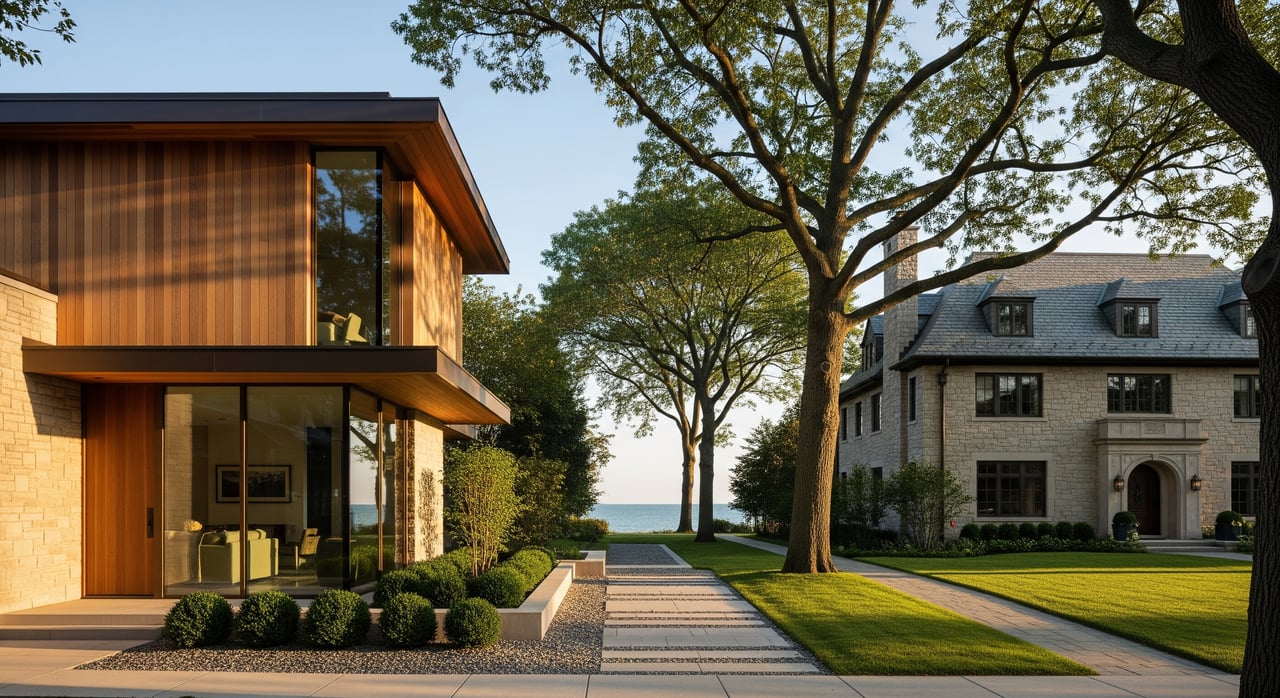
Glencoe blends early 20th‑century estates, Tudor and Colonial revival homes, mid‑century designs, and select teardown or infill builds. Many lots are larger and wooded, with deep setbacks and mature trees that add privacy and character. Proximity to Lake Michigan, commuter rail, parks, and schools help support steady demand.
Village zoning and permits govern setbacks, lot coverage, building height, and accessory structures. Some areas have historic preservation oversight, so exterior changes to landmarked properties or homes in historic districts may require design review. Tree preservation and stormwater rules are common on larger infill projects and can affect site layout, timing, and feasibility.
Vintage homes often need system updates over time. You may encounter older electrical panels, aging plumbing, or knob‑and‑tube wiring in older stock, along with roofs, windows, or foundations that merit attention. Hidden issues like wood rot or past water intrusion are more common, so thorough inspections are essential.
New construction typically delivers lower short‑term maintenance thanks to new mechanicals and building envelopes, plus limited warranty coverage. Quality varies by builder, and some components may need attention after warranty periods. Landscaping costs can be higher initially if mature trees were cleared for the build.
Vintage homes can have older insulation levels, single‑pane or older windows, and less efficient HVAC, which can mean higher heating bills in a cold‑weather climate. You can improve performance through air sealing, insulation, high‑efficiency HVAC or heat pumps, and smart controls. Be aware that lead paint or asbestos can complicate renovation work in some older properties.
New builds are constructed to modern codes, with tighter envelopes, better insulation practices, and efficient windows and systems. Many builders offer options like advanced code compliance, heat pumps, energy‑recovery ventilation, and solar readiness. Some homes may carry third‑party certifications; always verify any claimed certifications during due diligence.
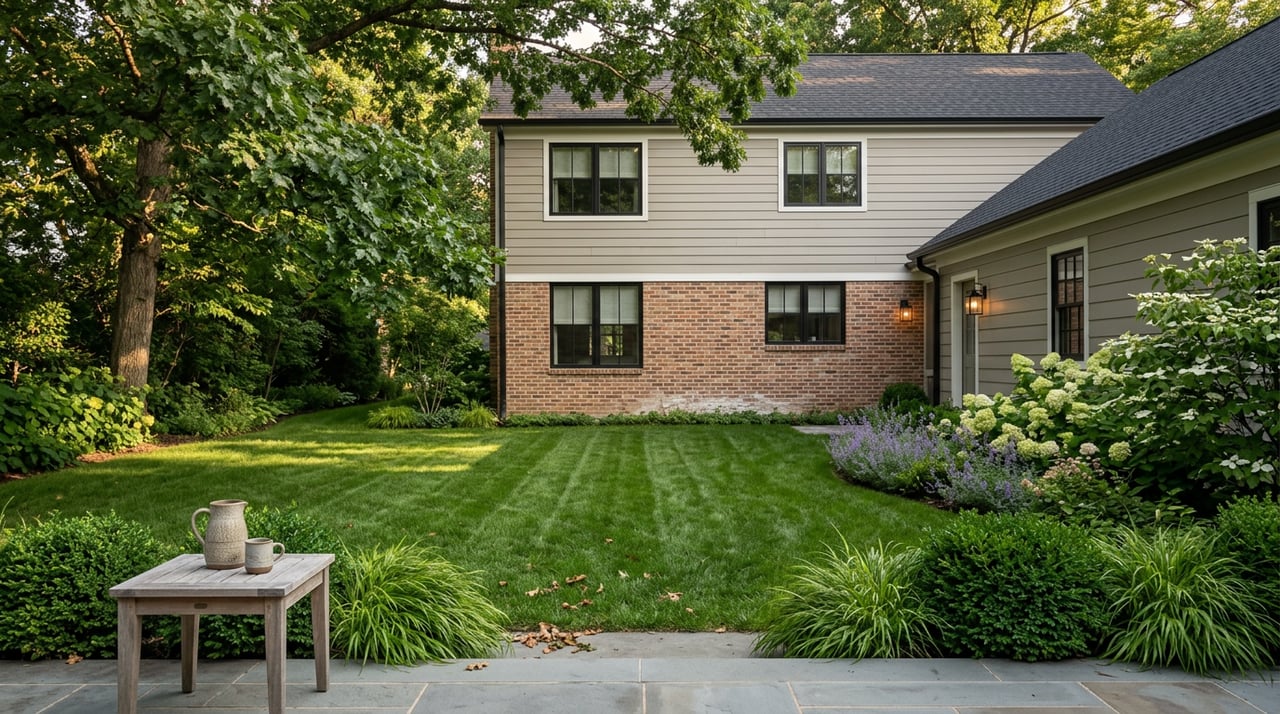
Vintage homes often sit on larger lots with mature tree canopy and established landscaping that boosts curb appeal and privacy. The tradeoff is higher yard maintenance and potential risks like root impacts near foundations or sewers. Older properties may also have legacy drainage issues depending on grading and storm systems.
New construction must meet current stormwater rules, which can help with site performance, though grading and erosion still deserve a close look. Infill homes may sit on subdivided or previously developed lots with fewer mature trees, which can reduce shade but simplify maintenance.
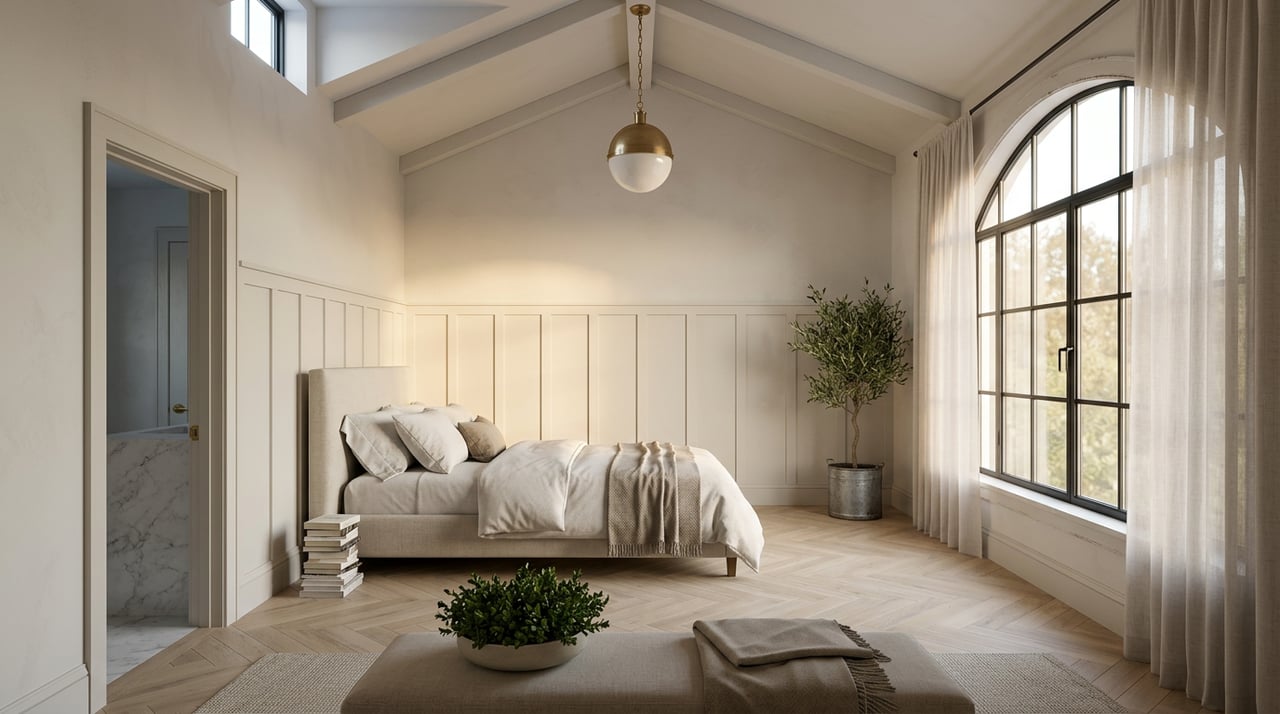
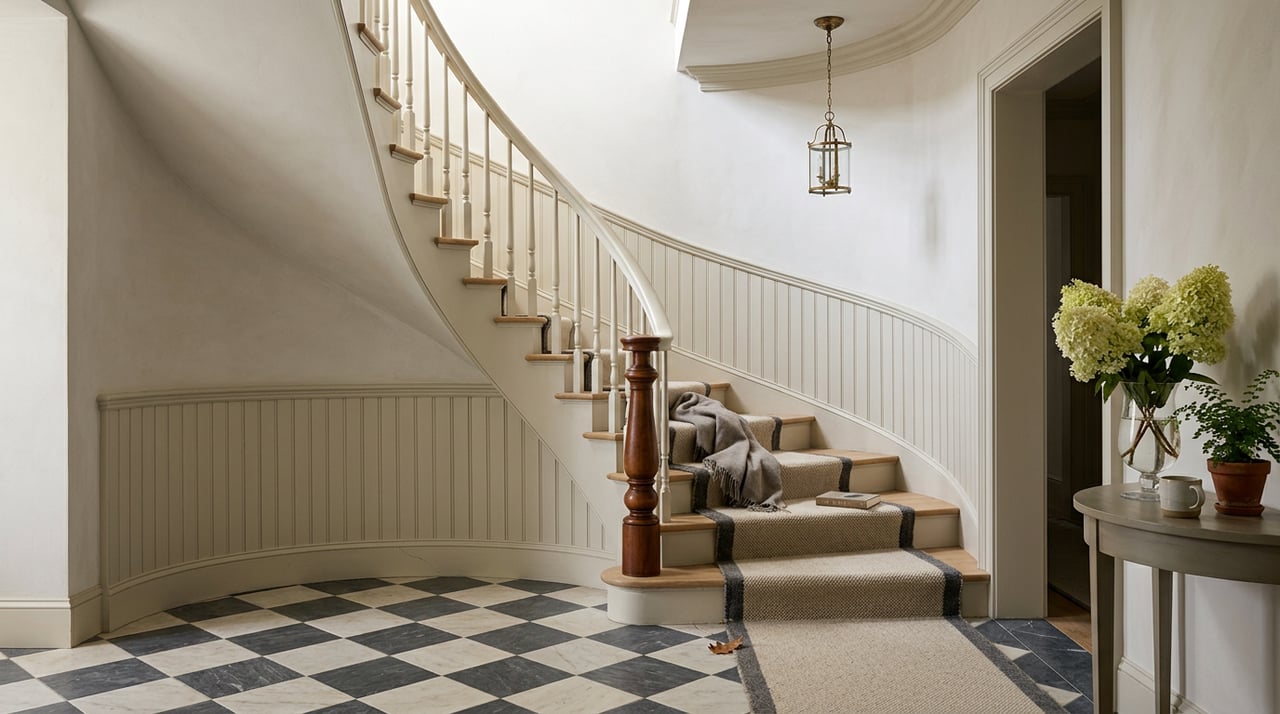
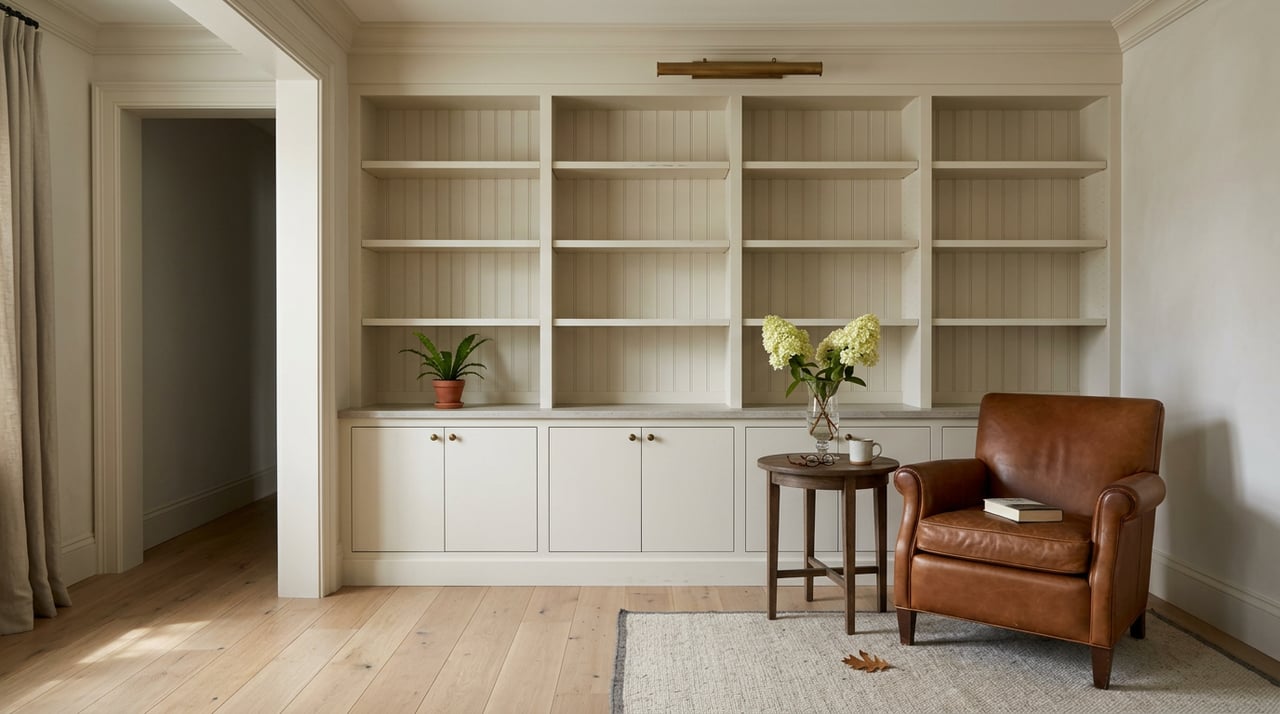
Vintage homes tend to offer distinctive millwork, built‑ins, and period details that create a strong sense of place. Floor plans might feel compartmentalized by today’s standards and could require projects to open spaces, modernize kitchens, or add en‑suite bedrooms.
New construction usually delivers modern layouts with open kitchens, larger primary suites, and abundant storage. Some infill designs can feel larger than neighboring homes if not carefully integrated, so it is worth weighing scale, materials, and street compatibility.
Common vintage projects include kitchen and bath updates, mechanical upgrades, basement finishing, and exterior restoration. Interior structural, plumbing, and electrical changes typically require permits. Exterior changes in historic districts may require additional review. Hidden conditions can extend timelines and budgets, so build in contingencies.
If you are considering a teardown, weigh lot value, zoning, floor‑area limits, tree removal permits, and potential neighborhood feedback. New‑build projects involve site plans, tree protection, erosion control, and building permits. Builders often manage the process, but timing varies based on scope and season.
Vintage purchases often use conventional mortgages. If you plan major work, renovation loans or construction financing can help. New builds can use construction‑to‑permanent loans or builder‑managed draws. Appraisals can be complex for unique vintage or custom homes due to limited comparable sales.
Older homes may carry higher replacement‑cost considerations and require current wiring, plumbing, and heating standards for insurance. Premiums also depend on location factors like floodplain or sewer backup risk. In Cook County, significant renovations or new construction can trigger reassessment, so include potential tax changes in your long‑term budget.
| Factor | Favors Vintage | Favors New |
|---|---|---|
| Location and schools | Established lot in a preferred boundary with mature streetscape | Preferred lot available, but existing home does not fit your needs |
| Budget and total cost | You value character and can stage updates over time | You want predictable short‑term costs and fewer immediate capital needs |
| Timeline | You need move‑in readiness or a shorter update plan | You can wait for permitting and construction timelines |
| Maintenance tolerance | Comfortable managing older systems and incremental upgrades | Prefer lower short‑term maintenance with warranty coverage |
| Energy priorities | Willing to invest in insulation, air sealing, and HVAC upgrades | Want higher baseline efficiency and integrated options like heat pumps |
| Architecture and layout | Historic details and mature landscaping matter most | Open plans, large suites, and contemporary finishes matter most |
| Permitting complexity | Property can be improved without major structural changes | The changes you want basically approach a rebuild |
| Resale outlook | Well‑maintained vintage in strong locations holds appeal | Well‑located, well‑designed new builds attract modern‑amenity buyers |
Choosing between new and vintage is about aligning the home with your day‑to‑day life, timeline, and long‑term budget. If you lean vintage, identify your must‑have updates and confirm feasibility with the village’s permitting framework. If you lean new, vet builders carefully, review warranty coverage, and plan for permit timing and site work.
You do not have to sort it out alone. A local, high‑touch approach helps you weigh tradeoffs, spot red flags, and uncover the right options, including off‑market opportunities when available. If you are ready to explore Glencoe, connect with Ali Lerner for neighborhood‑level guidance, curated tours, and a clear plan from offer through closing. Get your free North Shore home valuation.
Stay up to date on the latest real estate trends.
September 17, 2026
September 3, 2026
August 20, 2026
August 6, 2026
July 23, 2026
July 9, 2026
July 9, 2026
July 9, 2026
July 9, 2026
Ali understands how significant and daunting the home buying and selling process can be. Ali's number 1 motivation is the present and future happiness of her clients.