How to Stage Older Highland Park Homes for Today’s Buyers
January 15, 2026

January 15, 2026
Thinking about listing your older Highland Park home this spring? With the right staging, your vintage details can be a standout instead of a question mark. Buyers here love character, convenience to commuter rail, cultural spots like Ravinia, and homes that feel functional from day one. In this guide, you will learn exactly how to stage a vintage or mid-century home to highlight its strengths, modernize smartly, and bring in strong offers. Let’s dive in.
Buyers for older and mid-century homes often include move-up families, empty nesters, and design-minded shoppers who value architectural details. They also pay attention to practical lifestyle factors like access to Metra, local parks, and community amenities. Price-sensitive first-time buyers may focus elsewhere, so your staging should speak to buyers who appreciate preserved features and flexible living spaces.
Your goal is to show how original elements work with today’s needs. Emphasize flow, storage, lighting, and areas for work and leisure while keeping the home’s personality front and center.
Your home’s original features are assets when they are clean, visible, and well lit. Prioritize:
Follow the repair and reveal principle. Repair what is worn, then reveal it with light, thoughtful furniture placement, and minimal visual clutter. Avoid covering original flooring with oversized rugs or crowding built-ins with decor.
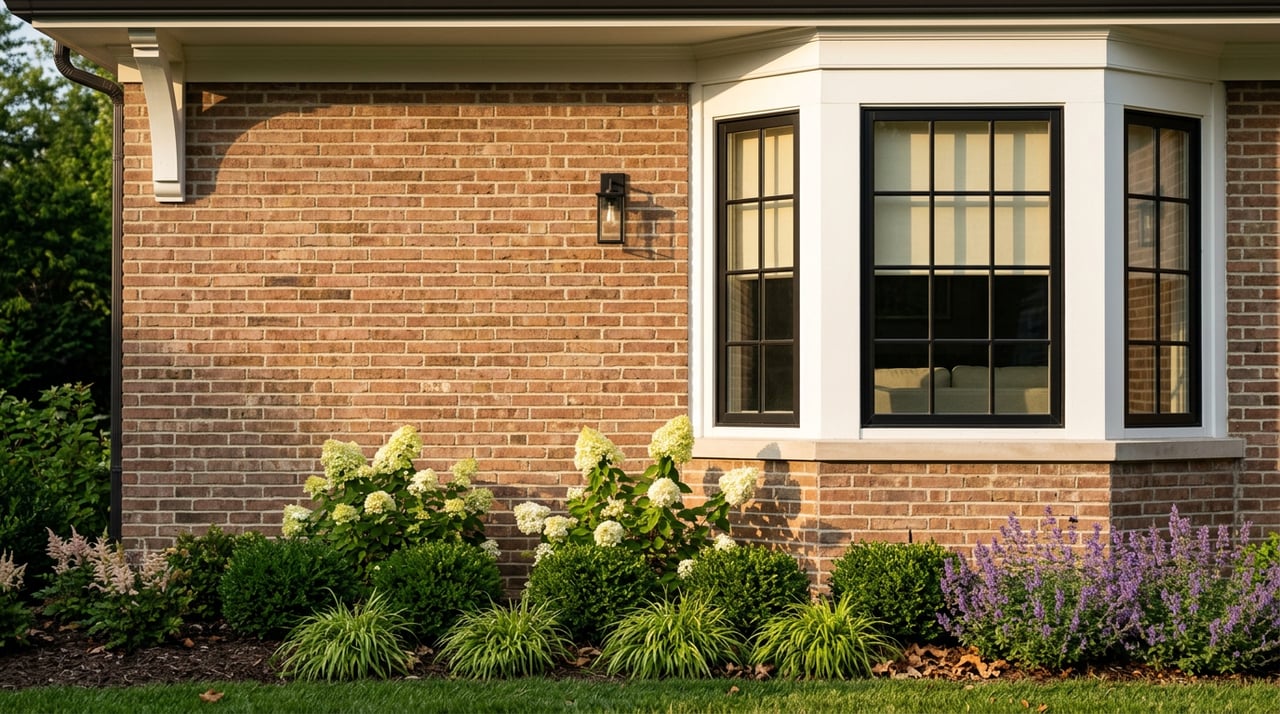
First impressions set the tone in a character home. Repaint the front door and trim if needed, add simple seasonal plants, and replace dated door hardware with period-appropriate finishes. Brighten porch lighting and clear pathways so the entry reads as cared for and welcoming.
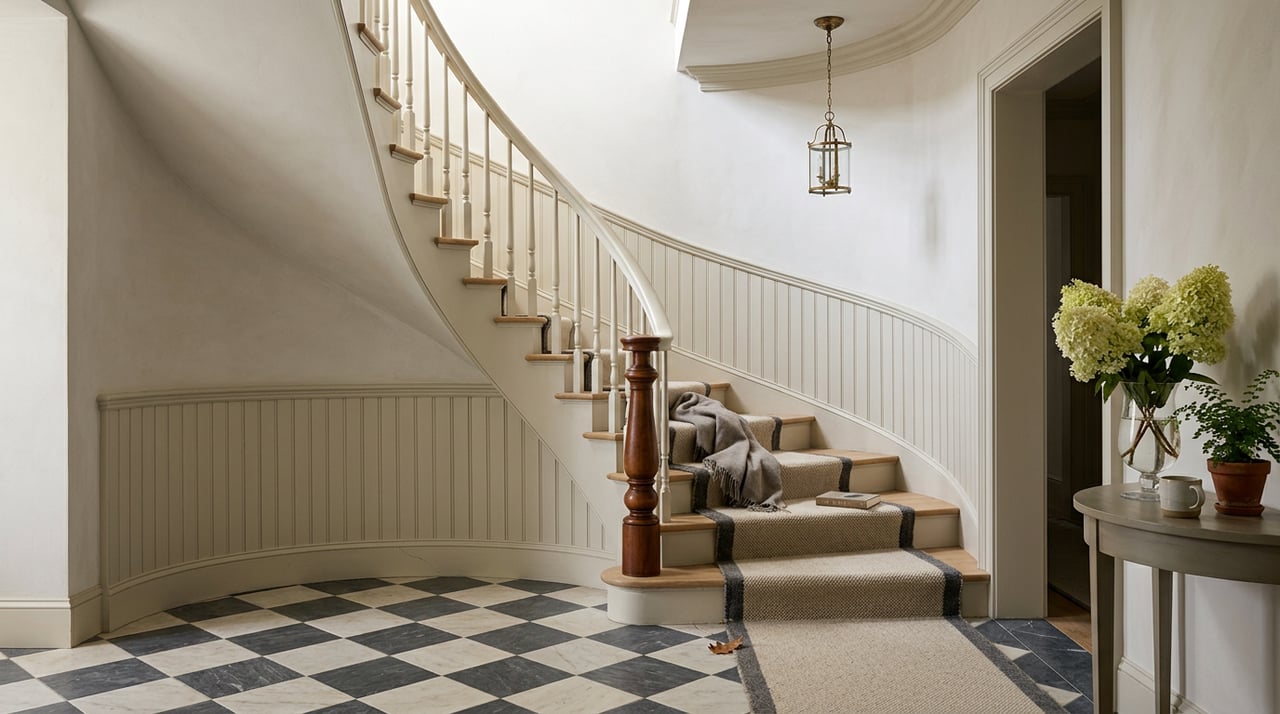
Inside, keep the entry open and tidy. A slim bench or console, a neutral runner, and a clean view to interior trim or a staircase helps buyers notice craftsmanship right away.
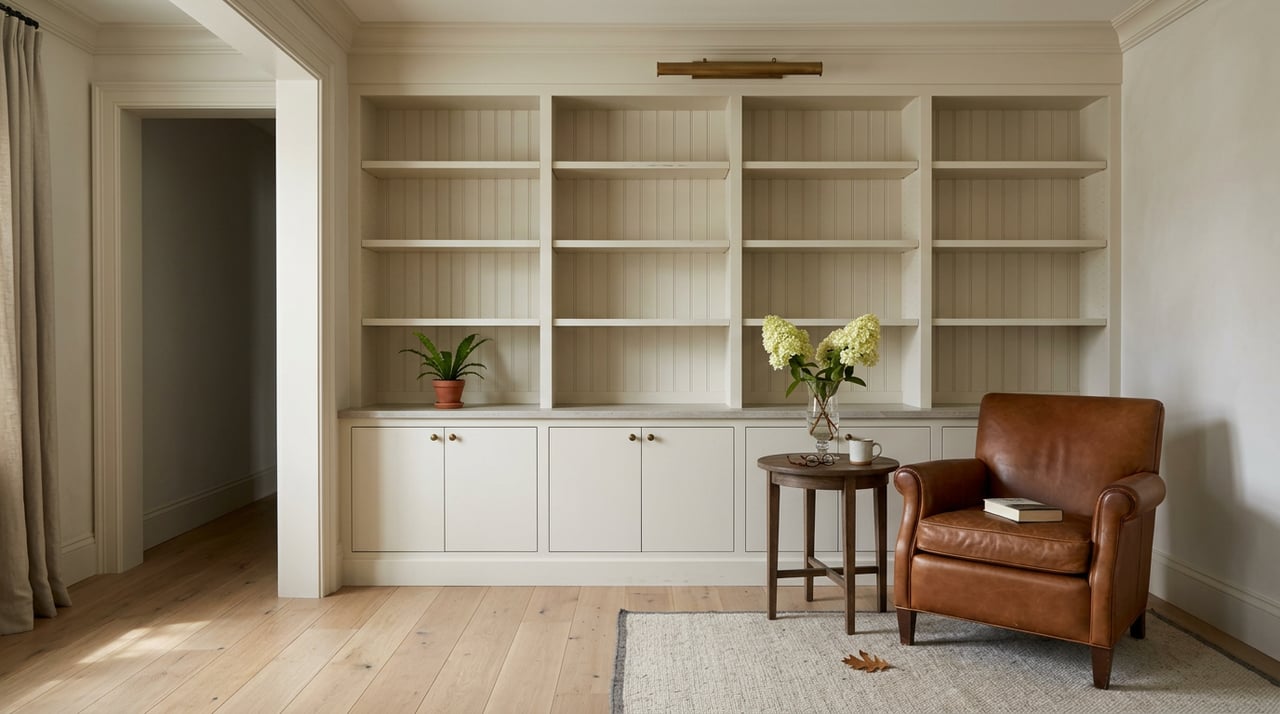
Arrange seating to create a clear conversation area and an easy path through the room. Keep the fireplace, built-ins, or picture windows unobstructed as focal points. Use a rug that frames the seating area without hiding original floors. Style with a few curated books or ceramics and one subtle vintage accent.
If the kitchen and dining room are separated, show the flow between them. In the dining room, set a simple table vignette and ensure a comfortable walkway around the table. In the kitchen, clear countertops and consider small updates like new cabinet hardware or a refreshed faucet. If original cabinets are in good condition, a period-appropriate paint color and updated lighting can provide a fresh, authentic look.
In bedrooms, scale furniture to the room so everything feels balanced. Show a clear primary suite layout and remove bulky pieces that make the space feel tight. For bathrooms, deep clean, re-grout where needed, and update lighting and mirrors to brighten. Preserve original tile patterns when they add charm.
Stage these areas as usable supplemental space like an office, media room, or playroom. Keep the setup simple and organized. If there are known constraints such as moisture or low headroom, present the space honestly and focus on cleanliness and function so buyers trust what they see.
Let the architecture lead. Use low-profile furniture, geometric textiles, and minimal accessories. Emphasize horizontal lines, indoor-outdoor connections, and window sightlines. Avoid ornate pieces that compete with the home’s clean forms.
Small, targeted upgrades can feel transformative without erasing character:
A clear, stepwise plan keeps your spring launch on track and stress low.
A strong local team accelerates results. Core roles often include:
When vetting vendors, ask for a portfolio with similar-age homes, recent local references, proof of insurance, a clear scope and timeline, and itemized quotes. Confirm rental terms, delivery and pickup dates, and how damage or liability is handled. Spring is busy, so lock availability early.
Plan for these cost categories: consultation, furniture rental, install and de-install labor, minor repairs and paint, deep cleaning and landscaping, and photography.
Representative ranges can include:
For higher-priced Highland Park homes, a larger staging investment is often justifiable given expected sale prices and the buyer pool. If you want to keep costs tight, prioritize paint, lighting, decluttering, landscaping, and strong photography. These items offer high perceived value for relatively modest spend.
Timing matters in spring. Here is a practical schedule to hit your target list date:
Photography should show true proportions and draw attention to character. Include daylight and twilight exteriors and interior shots that showcase windows, fireplaces, millwork, and built-ins. A floor plan and clear room labels help buyers understand relationships between rooms in non-open layouts.
Virtual staging can help empty homes or demonstrate a possible reconfiguration when allowed. It should be clearly disclosed in listing photos per MLS rules. For older and mid-century homes, physical staging still matters for flow, feel, and quality during showings.
Measuring outcomes helps you understand the impact of staging and presentation. Track:
Create a short before-and-after summary with the staging scope, timeline, costs, and the metrics above. Compare your results to similar recent sales by age, style, and location for context. Remember that pricing, marketing, and market conditions also influence outcomes.
Ready to stage your Highland Park classic so it shines this spring? Partner with a local expert who blends design-forward presentation with measurable results. Reach out to Ali Lerner to get a tailored plan for your home and timeline.
Stay up to date on the latest real estate trends.
October 15, 2026
October 1, 2026
September 17, 2026
September 3, 2026
August 20, 2026
August 6, 2026
July 23, 2026
July 9, 2026
July 9, 2026
Ali understands how significant and daunting the home buying and selling process can be. Ali's number 1 motivation is the present and future happiness of her clients.