Glenview Townhome vs House: Which Home Suits You?
January 1, 2026
January 1, 2026
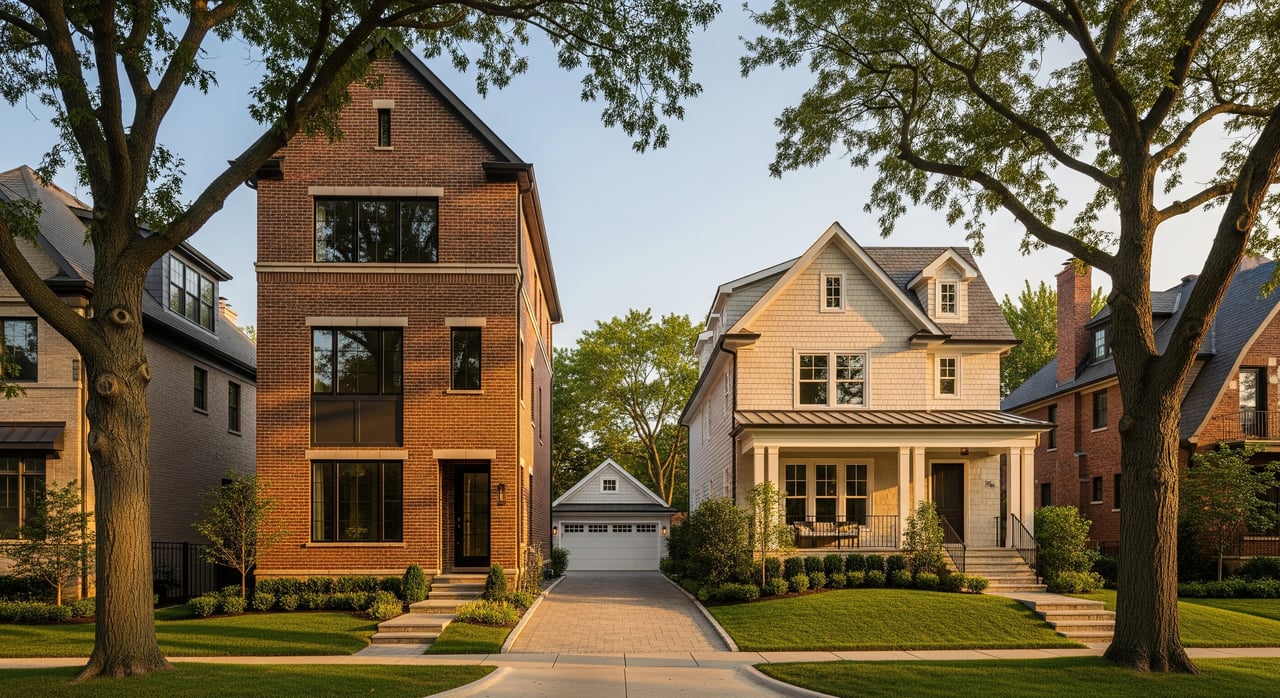
Torn between a low‑maintenance townhome and a classic single‑family home in Glenview? You are not alone. With commuter rail access, park resources, and a mix of new and established neighborhoods, Glenview gives you strong options on both sides. This guide breaks down ownership, total cost, lifestyle, and resale dynamics so you can choose with confidence. Let’s dive in.
Glenview sits in Cook County on Chicago’s North and Northwest side with convenient Metra service and quick access to expressways and the O’Hare area. That commute flexibility is a key driver for many buyers.
The village offers a blend of older single‑family neighborhoods, newer subdivisions, and attached housing created through planned developments. Redevelopment at the former Naval Air Station, known as The Glen, added walkable amenities with a mix of condos, townhomes, and single‑family options. This variety means townhomes and detached homes can perform differently block by block.
Buyers often weigh factors like school district boundaries, parks and recreation, access to retail and healthcare, walkability to downtown or mixed‑use centers, and proximity to commuter rail. These create micro‑neighborhood pockets where demand and resale differ for attached vs detached homes.
You own the land and the structure. You are responsible for all exterior and interior maintenance, including roofs, siding, driveways, and yards. You also carry your own dwelling insurance and follow local zoning and permit rules for any changes.
Townhomes in Glenview can be fee‑simple or part of a common‑interest community. In many HOAs, you own the unit and share common elements that the association maintains. The HOA runs the community with covenants, conditions and restrictions, collects assessments, and manages services like landscaping, snow removal, and exterior upkeep. In Illinois, associations follow state statutes and governing documents, and they can levy special assessments if reserves fall short.
For a single‑family home, you typically carry a standard homeowner policy that covers the dwelling, other structures, liability, and loss of use. Townhome and condo owners often carry a unit‑owner policy while the association holds a master policy for common areas and sometimes exterior elements. Always confirm the master policy details, including walls‑in vs walls‑out coverage, and make sure your lender’s insurance requirements are met.
Purchase price is only part of the picture. Build an apples‑to‑apples budget that converts everything into a monthly equivalent.
Townhomes reduce hands‑on upkeep. Landscaping and snow removal are often included, which can be ideal if you want a lock‑and‑leave lifestyle or have a busy travel schedule. Some communities also handle exterior repairs and roof replacement through reserves.
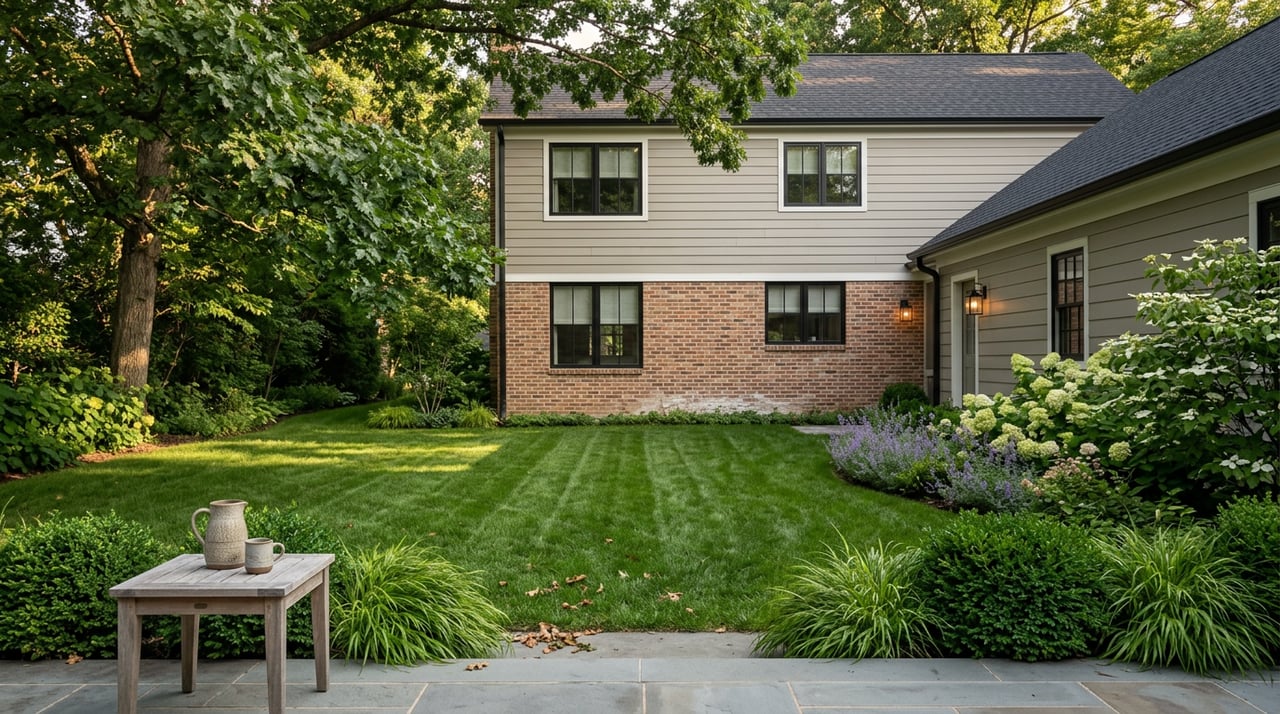
Single‑family homes offer more control over your property. You can manage your yard, add structures within local rules, and tailor outdoor space to your needs. If you want room for pets, gardening, or a playset, a fee‑simple lot usually delivers more flexibility.
Townhomes often share walls or have closer spacing. Soundproofing varies by builder, so review construction quality on any shared walls during inspection. Private patios or small yards are common, but large exterior changes are usually limited by HOA rules.
Detached homes provide more separation and the potential for larger yards. Many established Glenview neighborhoods have mature trees and wider lots, which can boost privacy and outdoor enjoyment.
Detached homes typically serve a broad buyer pool and often capture a premium for usable lot size in family‑oriented suburbs. Townhomes can move quickly in segments focused on convenience, downsizing, or commuting, but the buyer pool narrows as prices rise. In Glenview, newer attached options in walkable areas can resell well thanks to lifestyle appeal, while single‑family homes maintain steady demand for space and yards. Your micro‑neighborhood and product type both matter.
For a data‑driven view, compare days on market, price per square foot, and list‑to‑sold ratios by property type in your target area over the past 6 to 12 months.
Before you buy into an association, request and read:
Pay close attention to what your assessments cover. Confirm snow removal, landscaping, exterior maintenance, trash service, utilities, and reserve contributions. Healthy reserves help avoid surprises when roofs, siding, or paving need replacement.
Whether attached or detached, ask for:
Use this checklist for each property you compare. Add annual items, then divide by 12 to find an estimated monthly equivalent.
For the latest local facts on zoning and developments, check Village of Glenview resources. For taxes and assessments, consult Cook County public records. For flood risk, review FEMA and county floodplain maps. For school boundaries and performance data, use local school district websites and the Illinois State Board of Education. For current pricing, HOA fees, and days on market, rely on recent MRED/MLS data and neighborhood‑specific comparable sales.
Buying in Glenview is about tradeoffs that match your life today and your plans for tomorrow. If you want a low‑maintenance lock‑and‑leave lifestyle near transit, a townhome could be perfect. If you want more privacy, yard space, and long‑term flexibility, a single‑family home may be the better fit.
If you would like a customized, side‑by‑side cost and lifestyle comparison for the Glenview neighborhoods you are considering, reach out. I will gather HOA documents, comps, and utility data so you can decide with clarity.
Ready to compare options or talk strategy for your move? Connect with Ali Lerner for hyperlocal guidance and a data‑driven plan.
Stay up to date on the latest real estate trends.
October 15, 2026
October 1, 2026
September 17, 2026
September 3, 2026
August 20, 2026
August 6, 2026
July 23, 2026
July 9, 2026
July 9, 2026
Ali understands how significant and daunting the home buying and selling process can be. Ali's number 1 motivation is the present and future happiness of her clients.